The Difference Between a Signal Splitter and a Coupler and When to Use Each
Signal Splitter and Coupler :When working with RF systems, coaxial cabling, or distributed antenna systems, you will often encounter the terms Signal splitter and coupler. While they can appear similar and both serve to distribute signals, they operate very differently and are used in different situations. Understanding the difference is essential for designing efficient, reliable signal networks whether for Wi-Fi, mobile signal boosters, or professional RF installations.
What is a Signal Splitter?
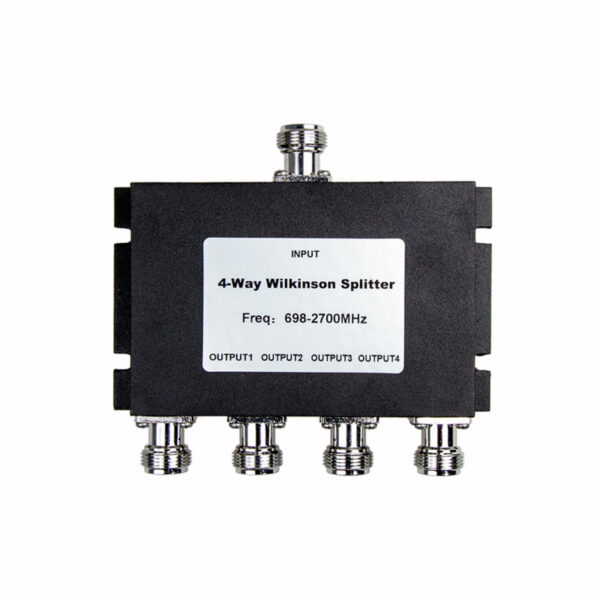
A Signal splitter is a device that divides one signal source into two or more equal outputs. It splits the signal power evenly, meaning each output port receives the same level of signal (minus a small loss due to splitting). For example, a 2-way Signal splitter divides the signal into two equal paths.
Signal Splitter are ideal when you need to send the same signal to multiple devices and each output requires similar strength. They are commonly used in:
Professional RF systems and DAS (Distributed Antenna Systems)
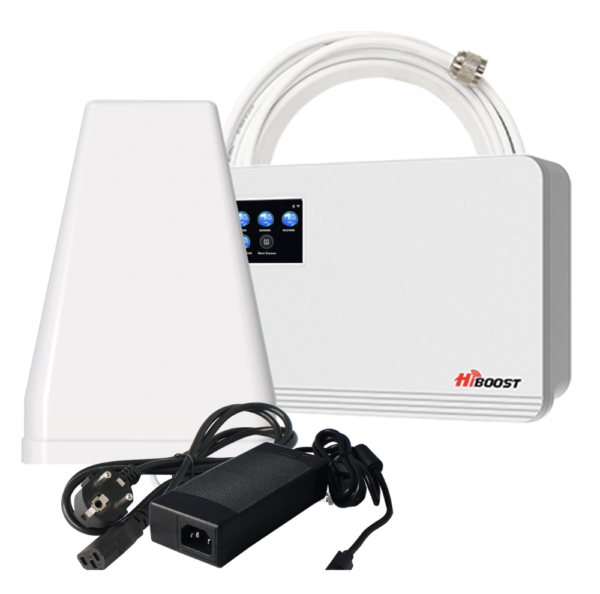
Mobile signal booster installations
Repeaters and telecom equipment
Large buildings or campuses where precise signal levels are required
When to use a Signal splitter:
A splitter is used when you need to distribute a single signal into multiple outputs of equal strength. This makes it ideal for situations where several devices or antennas need the same signal without favoring one over another.
Splitters work best when the incoming signal is strong enough to handle division without noticeable loss. If the original signal is weak, splitting it can reduce its strength too much, potentially causing poor performance or signal dropouts. In these cases, using a signal amplifier alongside the splitter is recommended to maintain reliable coverage.
Splitters are commonly used in homes, offices, and commercial installations where multiple TVs, routers, or antennas share a single feed. They provide a simple, cost-effective way to expand signal distribution without complicated rewiring. Always assess signal strength before installation to ensure each output remains functional.
What is a Signal Coupler?
A coupler (often called a directional coupler) is designed to tap a small portion of a signal while allowing most of the power to continue through the main line. Unlike a signal splitter, outputs are not equal one port passes most of the signal forward, and the other receives a reduced portion.
Couplers are typically used in:
Professional RF systems and DAS (Distributed Antenna Systems)
Mobile signal booster installations
Repeaters and telecom equipment
Large buildings or campuses where precise signal levels are required
When to use a coupler
A coupler is an essential tool in RF and antenna systems when you need to extract a controlled portion of a signal without significantly affecting the main feed. It is particularly useful in setups where multiple antennas share the same source or when signals must be distributed across long cable runs.
Couplers allow precise signal splitting, ensuring each antenna receives the correct power level for optimal performance. This makes them ideal for multi-floor buildings, commercial spaces, or large venues where signal strength needs careful management. By using a coupler, you can prevent signal loss or interference that might occur if the main feed were tapped directly.
Additionally, couplers provide flexibility for future system expansions, allowing extra antennas to be added without major rewiring or degradation of signal quality. In summary, use a coupler whenever controlled signal distribution, efficient multi-antenna setups, or long-distance cabling is
| Device | Purpose | Output Signal |
| Splitter | Divide equally | Even power to each port |
| Coupler | Tap small portion | Uneven power — controlled tap |
Choosing the right device ensures balanced performance, avoids signal loss problems, and keeps your RF or mobile signal system running at peak efficiency. If in doubt, consider signal strength, distances, and the number of devices before deciding between a splitter and a coupler. it is safe to use in the UK under the RF regulation